
Home Insurance
We feel at home keeping you covered
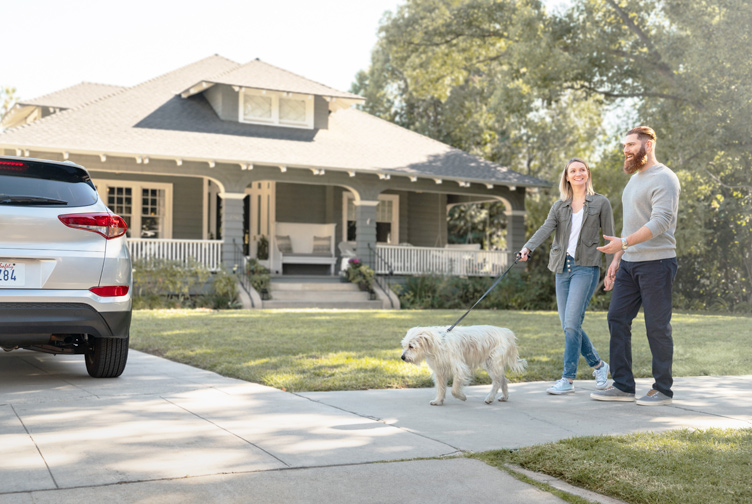
Get to know your homeowners coverage options
Coverage
Real-life scenario
Standard
Optional
Safeco Package
Protective devices
More opportunities to save
How your home deductible works
How do I file a homeowners insurance claim?
Common homeowners insurance questions
1Equipment Breakdown provides protection in the event of an unexpected mechanical or electrical breakdown not caused by normal wear and tear, or corrosion. Only available through a Safeco Home Policy. Not available in all states.
2Discounts and savings are available where state laws and regulations allow, and may vary by state. Certain discounts apply to specific coverages only. To the extent permitted by law, applicants are individually underwritten; not all applicants may qualify.
Safeco does not currently offer wildfire mitigation actions insureds can take that would impact underwriting or rates.
Not all services are available in all geographic locations. You are in no way obligated to use our preferred contractors. Equal Housing Insurer. ©2019 Liberty Mutual Insurance